
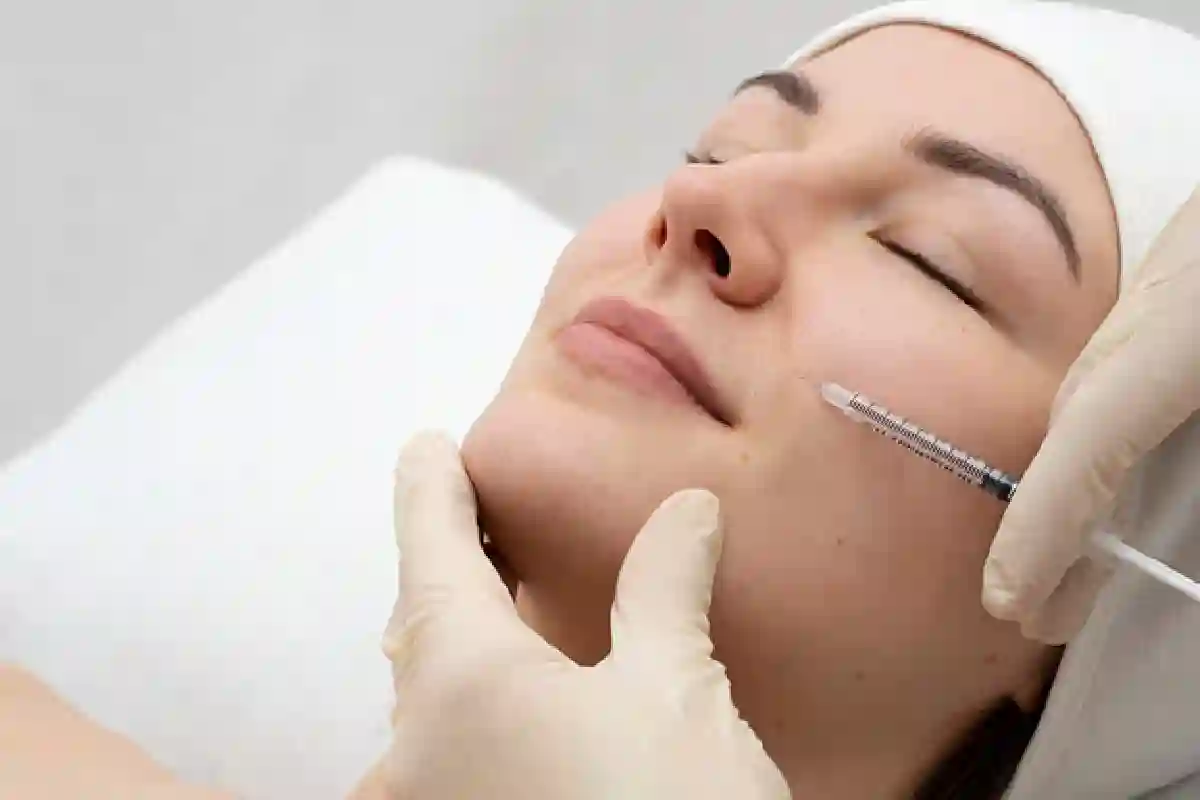
A week after her appointment, a friend of mine stood in her bathroom, tilted her chin up, tilted it down, and announced that she had been robbed. She had paid for an injectable skin treatment. She could see no difference. None. She had checked in three kinds of light, which is more testing than most of us apply to anything.
She had not been robbed. She had bought a treatment that does not work on the timeline she was using. This is common across the polynucleotide family of injectables. If you have been reading up on pn restore in Singapore, or any of the treatments built around polynucleotides, you may have noticed that the language around them is oddly quiet. There is a lot about skin quality and very little about instant transformation. That is not modesty. It is a fairly honest description of the mechanism.
Table of Contents
What Is Actually In The Syringe
Polynucleotides are short chains of DNA. The ones used in aesthetic medicine are purified from fish, usually trout or salmon, and processed until what is left is the molecular fragment rather than anything recognisably fishy. This puts people off for roughly four seconds, until they remember how many established medicines started out in animals.
Once placed into the skin, polynucleotides are understood to act more like a signal than a scaffold. The intention is to encourage the skin to do more of its own repair work. That is the part worth underlining. The skin does the work, which means the work happens at the speed skin works at.
Filling Is Not The Same As Repairing
Most people walk into a clinic with a filling model in their head. Something has gone flat or creased, so something should be put in to push it back out. Dermal fillers work roughly that way. So, more gently, does a hyaluronic acid booster, which draws water into the skin and plumps it fairly promptly.
Polynucleotide products are aimed at a different job. Rather than adding volume, they are used to try to improve the condition of the skin itself. Texture. Hydration. That thin, crepey quality that turns up under the eyes and on the neck and is strangely resistant to everything you put on top of it.
This distinction matters when you are choosing. A treatment aimed at skin quality is not going to erase a deep line at rest, and a filler is not going to make dull skin look healthier. Asking which molecule is going into the syringe is more useful than asking for a skin booster, because booster is a category, not a formulation.
The Mirror Test Is The Wrong Test
Here is the trap my friend fell into. She judged a slow treatment by a fast standard.
Because the aim is to nudge the skin along rather than to fill it, any change tends to arrive gradually, and clinics commonly recommend a short course rather than a single visit. Two to three sessions about a month apart is a typical suggestion. Assessing the outcome after the first one is a little like judging a haircut while it is still wet.
Results also vary, and not politely. Skin age, sun history, smoking, sleep and plain genetics all affect how much repair activity there is to encourage in the first place. Two people can complete the same course and come away with different amounts to show for it.
Questions Worth Asking Before You Book
A consultation is where all of this gets sorted out, and the useful questions are more specific than people expect.
- Which molecule is being injected, and does it contain hyaluronic acid or not
- What is this meant to change, in plain words, and what will it not change
- How many sessions do you expect, and how far apart
- When would we reassess, and what happens if I see nothing
- Is something else more appropriate for the concern I actually came in with
A doctor who is willing to answer that last one with a no is giving you better information than any brochure.
What It Will Not Do
There is a version of this category that gets oversold, and it is the version that quietly promises everything. It will not lift a sagging jawline. It is not a replacement for sun protection, which remains the least glamorous and most useful habit in skincare.
Suitability depends on your medical history, any allergies, what you have had done before and what you are actually trying to achieve. That is a judgement for a qualified doctor after a proper assessment. It is not a judgement for an article, and it is certainly not one for a bathroom mirror at eleven at night.
My friend went back for her second session, mostly out of stubbornness. Somewhere around the ten week mark she stopped mentioning it altogether, which in her case counts as praise. She had not been robbed. She had been impatient, and she had been measuring the wrong thing with the wrong ruler.
If you are considering anything in this category, go in knowing what it is designed to do and how long it is designed to take. Slow is not the same as nothing. It is just much harder to photograph.