
Hair Loss During Menopause: Beginning when a woman’s body begins to produce less estrogen (usually around age 50), menopause can be a physically and emotionally stressful experience and other symptoms ranging from hot flashes to hair loss.
If you are between 45 and 55 years old and have noticed a change in your hair (and it seems to be less dense or more delicate), it may be the first symptom of menopause.
Although the weakening of the hair can cause it to fall out over time, both phenomena do not have to be related.
Many menopausal women notice general hair thinning (unlike men who have visible bald spots), and 40% of women also experience hair thinning after menopause. one
On the other hand, most hair loss cases are caused by hereditary factors. An example is female pattern baldness, which is passed from generation to generation and often develops after menopause.
If you notice that your hair is thinner or that it falls out, you should know that the effects of menopause are not only manifested on a physical level. Many women select to wear their hair short or layered to express their identity. When they cannot do it because their hair begins to weaken or fall out, it is normal for this to be reflected in a loss of confidence and self-esteem.
Table of Contents
What Are The First Symptoms Of Menopause?
Perimenopause is the name given to the stage before menopause.
Common symptoms of perimenopause are:
- Hot flushes
- breast tenderness
- Lack of sexual appetite
- Fatigue
- Humor changes
- Insomnia
- capillary weakening
- Hair loss
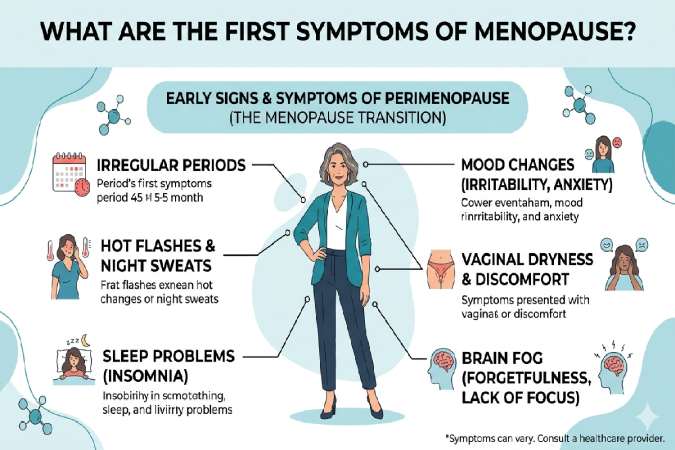
Some women begin to notice changes in their hair during perimenopause, such as more hair falling out when brushing or showering or thinner hair on the crown.
Why Does Menopause Cause Hair Loss?
close-up view of hair, roots, and scalp
Hair tends to fall out when there is a drop in estrogen and progesterone levels, which occurs with menopause. These hormones remain involved in hair growth, keeping the follicles firmly attached.
Faced with a decrease in these hormones during menopause, the hair becomes more refined and grows more slowly.
The reduction in estrogen and progesterone levels increases the production of androgens (a group of male hormones), which causes the hair follicles to become smaller, resulting in hair loss.
Hair loss in women over 50 can also remain caused by lifestyle factors such as stress, illness, or poor diet. NIOXIN has put together a series of expert tips to deal with the changes in your hair during this challenging stage.
Hair Loss During Menopause vs Other Types
| Factor | Menopause Hair Loss | Postpartum Hair Loss | Alopecia Areata |
| Cause | Hormonal decline | Hormonal fluctuation | Autoimmune |
| Pattern | Gradual thinning | Sudden shedding | Patchy loss |
| Duration | Long-term | Temporary | Variable |
| Treatment | Ongoing management | Usually resolves | Medical treatment |
Menopause And Thinning Or Hair Loss: How To Treat It
For the hair to recover its volume after remain weakened it takes time, and it does not always return entirely to its initial state. However, the combination of changes in lifestyle, treatments, and drugs can help stop hair loss and mitigate thinning.
- hairstyles
Wearing your hair short or layered can help create the effect of thicker, denser hair.
- Control Stress Levels
A stressful lifestyle can also affect the health of your hair. When our stress levels are not under control, there is a hormonal imbalance and a decrease in estrogen production, which causes mood swings, anxiety and depression, and a high risk of hair loss.
- Exercise
a woman dressed in black stretching on a white wall outside
Activities like yoga can help control stress levels and prevent other symptoms of menopause, such as mood swings, weight gain, and insomnia.
When there is a hormonal balance, the scalp’s microbiome develops and supports hair growth. The scalp microbiome is the name given to the specific microbial flora that helps maintain balance in the scalp.
- Changes in your diet
Eating a balanced and low-fat diet is also significant when hair falls out during menopause. The following foods play a decisive role in restoring and maintaining hair growth:
- whole grains
- Fruits and vegetables
- Olive oil
- Sesame oil
- Green Tea
- Salmon
- Tuna
- flax oil
- Walnuts
- almonds
woman pouring a green juice with ingredients displayed next to the glass
Best Treatments for Hair Loss During Menopause
1. Minoxidil (Clinically Proven)
- FDA-approved topical treatment
- Increases blood flow to follicles
- Stimulates regrowth
Best for: Mild to moderate thinning
2. Hormone Replacement Therapy (HRT)
- Restores estrogen levels
- May slow hair thinning
Note: Not suitable for everyone—consult a doctor.
3. Nutritional Supplements
Key nutrients:
- Iron (if deficient)
- Vitamin D
- Omega-3 fatty acids
- Biotin (supportive, not miracle)
4. Platelet-Rich Plasma (PRP) Therapy
- Uses your blood plasma to stimulate follicles
- Increasingly popular in dermatology clinics
5. Low-Level Laser Therapy (LLLT)
- Devices like laser combs/helmets
- Improves follicle activity over time
Natural Remedies & Lifestyle Changes
Diet for Hair Health
Include:
- Leafy greens (iron)
- Eggs (protein + biotin)
- Nuts & seeds (healthy fats)
- Fatty fish (omega-3)
Stress Management
- Yoga
- Meditation
- Sleep optimization
Gentle Hair Care
- Avoid tight hairstyles
- Use sulfate-free shampoos
- Limit heat styling
Natural Remedies vs Medical Treatments
| Factor | Natural Remedies | Medical Treatments |
| Cost | Low | Medium–High |
| Effectiveness | Mild–Moderate | Moderate–High |
| Time to Results | Slow | Faster |
| Scientific Evidence | Limited | Strong |
| Risk Level | Low | Moderate |
| Examples | Oils, diet, herbs | Minoxidil, PRP |
Limit The Use Of Molding Tools
- Blow dryers, flat irons, and more can weaken hair, making it more prone to breakage and falling out.
- The sun can also cause the hair dry and break more quickly, so it’s essential to wear a hat or cap in summer.
- Vitamins For Hair Loss During Menopause
Country-Wise Treatment Options & Cost Comparison
India
| Treatment | Average Price | Providers | Resources |
| Minoxidil | ₹500–₹1,200/month | Pharmacies | 1mg, PharmEasy |
| PRP Therapy | ₹5,000–₹12,000/session | Dermatology clinics | Kaya Clinic |
| LLLT Devices | ₹15,000–₹50,000 | Online marketplaces | Amazon India |
United States
| Treatment | Average Price | Providers | Resources |
| Minoxidil | $20–$50/month | Drugstores | CVS, Walgreens |
| PRP Therapy | $500–$1,500/session | Hair clinics | Bosley |
| Laser Devices | $300–$1,000 | Online retailers | iRestore |
United Kingdom
| Treatment | Average Price | Providers | Resources |
| Minoxidil | £15–£40/month | Boots Pharmacy | Boots |
| PRP Therapy | £300–£800/session | Clinics | Harley Street Clinics |
| Laser Therapy | £250–£900 | Online | CurrentBody |
Canada
| Treatment | Average Price | Providers | Resources |
| Minoxidil | CAD 25–60/month | Pharmacies | Shoppers Drug Mart |
| PRP Therapy | CAD 400–1,200/session | Clinics | Toronto Hair Transplant Clinic |
| LLLT Devices | CAD 300–900 | Online | Well.ca |
Australia
| Treatment | Average Price | Providers | Resources |
| Minoxidil | AUD 25–70/month | Chemists | Chemist Warehouse |
| PRP Therapy | AUD 400–1,000/session | Clinics | Sinclair Dermatology |
| Laser Devices | AUD 350–1,200 | Online | Hairhouse |
When Should You See a Doctor?
Consult a specialist if:
- Hair loss is rapid or severe
- You notice bald patches
- There are symptoms like fatigue or weight changes (possible thyroid issues)
Menopause Hair Loss vs Aging Hair Loss
| Factor | Menopause Hair Loss | Aging Hair Loss |
| Primary Cause | Hormonal decline (↓ estrogen, ↑ androgen effect) | Natural follicle aging & slower cell regeneration |
| Pattern | Thinning at crown, widening part | Even thinning across scalp |
| Onset | Sudden or accelerated (40–55 age range) | Gradual (50+ age) |
| Severity | Moderate to high | Mild to moderate |
| Reversibility | Partially reversible with treatment | Mostly manageable, not fully reversible |
Treatment Options, Prices & Resources (Menopause Hair Loss)
| Treatment | Price Range | Effectiveness | Resource Link |
| Minoxidil (Topical) | ₹800–₹2,000/month | High | Buy Minoxidil (India) |
| Rogaine Foam (Imported) | ₹3,999–₹4,999 (3–4 months) | High | View Rogaine Women Foam |
| PRP Therapy | ₹8,000–₹15,000/session | High | Dermatology clinics |
| Hormone Therapy (HRT) | ₹2,000–₹10,000/month (varies) | Moderate–High | Hospital consultation |
| Laser Therapy (LLLT) | ₹3,000–₹8,000/session | Moderate | Clinics / devices |
Common Mistakes to Avoid
- Ignoring early signs
- Overusing harsh chemical treatments
- Expecting instant results
- Taking random supplements without testing deficiencies
- Falling for “miracle cures”
FAQs
Is hair loss during menopause permanent?
Not always. With early treatment and proper care, hair thinning can be slowed or partially reversed.
How long does menopause hair loss last?
It can last several years, depending on hormonal balance and treatment.
Can hair grow back after menopause?
Yes, especially with treatments like minoxidil, PRP, and proper nutrition.
What is the best shampoo for menopausal hair loss?
Look for:
- Sulfate-free formulas
- Ingredients like biotin, caffeine, keratin
Does biotin really help?
Only if you have a deficiency. It supports hair health but isn’t a standalone cure.
Conclusion
The Allure Blog, Do we discuss What is vitamin for hair loss? Group B vitamins (B3, B7, B9) are responsible for stimulating hair growth, acting both on the scalp and on the strands. If you want to evade hair loss due to breakage, it will remain essential that you make biotin part of your hair routine, as it is part of this vitamin set.