
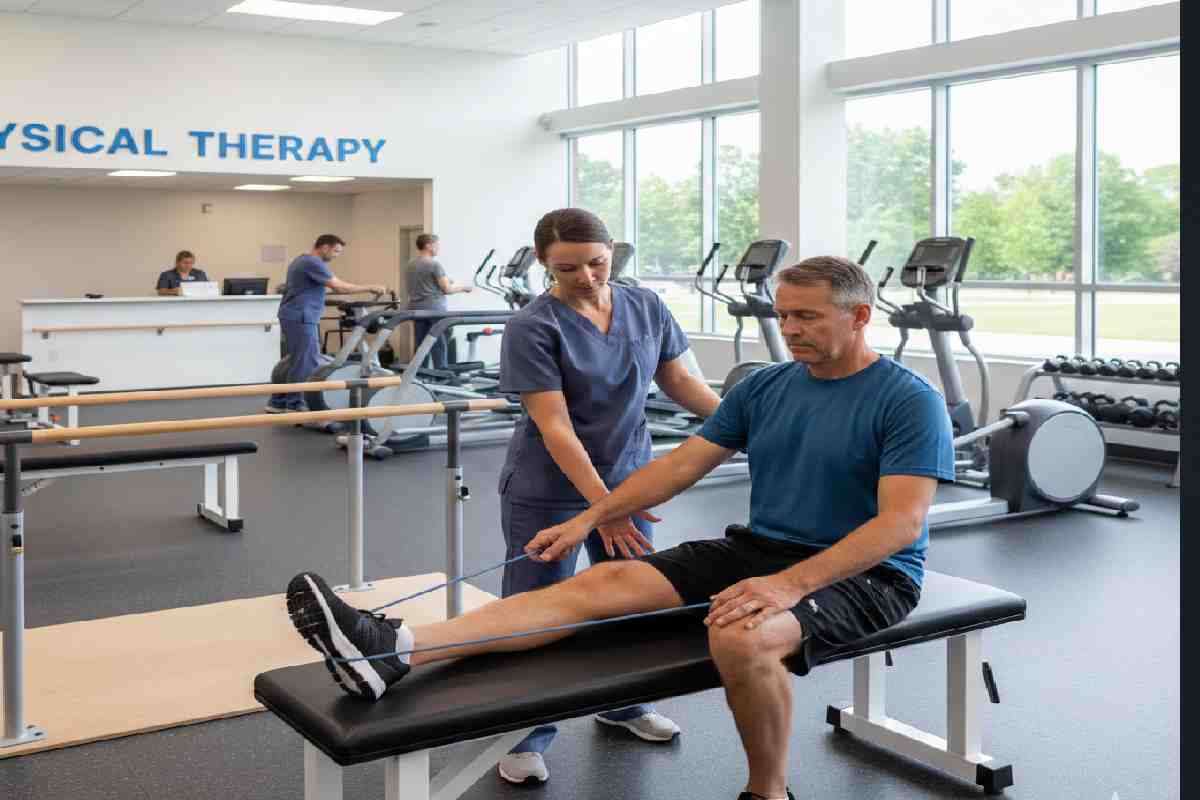
Physical therapy (PT) is a non-invasive process, i.e. specific exercise, manual treatment, and education are used to regain movement, without involvement of invasive methods. Ideally applicable to any harm, surgery, and any chronic illness; most of them achieve the outcomes within 4-12 weeks of frequent classes. The benefits highlighted include a faster recovery and the absence of the need to undergo surgery.
Table of Contents
What is Physical Therapy?
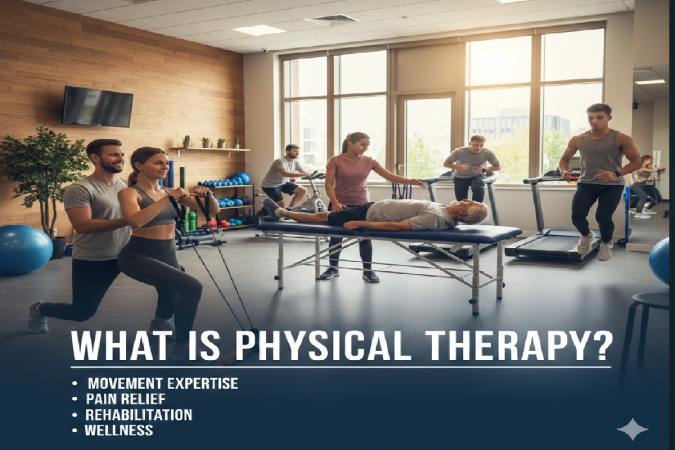
Physical therapy is the profession of licensed specialists in the evaluation and treatment of musculoskeletal disorders, which performs it through manual interventions, physical activities, and modalities including ultrasound or heat. It works on the root causes of the disease and helps the patients to resume their strength, flexibility, and functionality.
PT will not result in drug or surgical intervention since PT strengthens self-management by home exercises. It contains evidence based assertions and as it is reported by the American Physical Therapy Association (APTA), over 90 percent of the patients have ended up being satisfied with it as depicted in the recent surveys.
It has been noted that the world has increasingly demanded remote and telehealth solutions especially after 2025 in aging populations.
Primary Search Intent
Physical therapy searches demonstrate prevalent informational qualities since the users are interested in definitions, advantages, workouts, and recovery plans.
The symptoms such as back pain (22,200 monthly searches) are researched by people before booking. They desire fast details on performance, expenses and self-care initiators rather than bookings.
The content should provide practical education to create trust and refer to professional consultation.
Competitor Gaps
Top pages are basic (definitions, lists of clinics), however, they are not profound in home-based PT, 2025 research on the effectiveness of tele-rehab, the comparisons between such techniques as dry needling and manual therapy.
- Well-covered: Service keywords, clinic finders.
- Weak spots: Personalized exercise progressions, pros/cons by condition, recent data on PT vs. opioids for pain (PT reduces reliance by 30-50%).
- Unanswered: “Can I do physical therapy at home?” or “How many sessions for full recovery?”
- Unique angle: Integrate yoga-inspired routines (user interest) with evidence-based PT for holistic recovery.
This creates differentiation via practical, niche-blended insights absent in generic guides.
Content Angles Explored
- Holistic PT for Busy Professionals: Blends yoga and PT for back/neck pain, targeting Indian urban workers.
- PT vs. Alternatives: Compares with chiropractic, meds; data-driven pros/cons.
- Home PT Starter Kit: Exercises, tools under ₹2000, progress trackers.
- Post-Surgery Recovery Roadmap: Timelines, mistakes to avoid.
- Tech-Enhanced PT: Apps, wearables for tracking (aligns with tech-savvy audience).
Selected Angle: Home PT Starter Kit – Fills gap in accessible, low-cost routines; high usefulness for cost-conscious Hyderabad users; strong ranking potential via long-tail like “physical therapy exercises at home.”
Benefits of Physical Therapy
PT accelerates healing by 20-40% for common injuries, per 2024 APTA data. It cuts surgery needs by 30% for knee issues and improves mobility in 85% of chronic pain cases.
Key gains:
- Pain reduction without drugs.
- Strength building via progressive loading.
- Injury prevention education.
Drawbacks include time commitment (2-3x/week) and variable insurance coverage.
| Condition | PT Success Rate | Avg Sessions | Source |
| Back Pain | 75-90% | 6-12 | APTA 2024 |
| Knee Rehab | 80% | 8-16 | NIH Studies |
| Shoulder | 70-85% | 4-10 | Recent Meta |
How Physical Therapy Works
Sessions start with evaluation (posture, range of motion), followed by tailored plans. Therapists use manual therapy, modalities, and homework.
- Acute relief (ice/heat, soft tissue work).
- Strengthening (resistance bands).
- Functional training (daily tasks).
- Maintenance (yoga fusion).
For home use: Focus on bodyweight exercises; track via apps like Physera.
Top Physical Therapy Exercises
Start slow; consult a pro for form. Do 2-3 sets, 10-15 reps, 3x/week.
- Neck Stretch: Tilt head, hold 30s; relieves desk strain.
- Bridge for Back: Lie on back, lift hips; builds core.
- Quad Sets for Knees: Tighten thigh muscle sitting; post-injury essential.
- Wall Angels for Shoulders: Slide arms up wall; improves posture.
- Yoga Cat-Cow Fusion: 10 breaths; enhances spinal mobility.
Common mistake: Skipping warm-up, risking strain.
Choosing a Physical Therapist
Look for credentials (DPT degree, state license). Prioritize specialties matching needs (e.g., sports for gamers).
In Hyderabad: Check Apollo or local clinics; tele-PT via Practo rising in 2026.
Cost: ₹800-2000/session; packages save 20%.
Recent Evidence & Stats
2025 studies show PT outperforms meds for chronic pain (72% vs. 45% improvement). Telehealth PT retains 88% efficacy.
India-specific: 15% rise in PT adoption post-COVID for wellness.
FAQ Section
What is physical therapy used for?
Restores function after injury/surgery, manages arthritis, improves balance. Ideal for back pain, sports rehab.
How long does physical therapy take?
4-12 weeks; acute issues faster, chronic 3-6 months.
Can I do physical therapy exercises at home?
Yes, with guidance; start basic, progress safely to avoid injury.
Does physical therapy hurt?
Mild discomfort possible initially; goal is gradual improvement.
Is physical therapy covered by insurance in India?
Often partial via health policies; check Ayushman Bharat.