
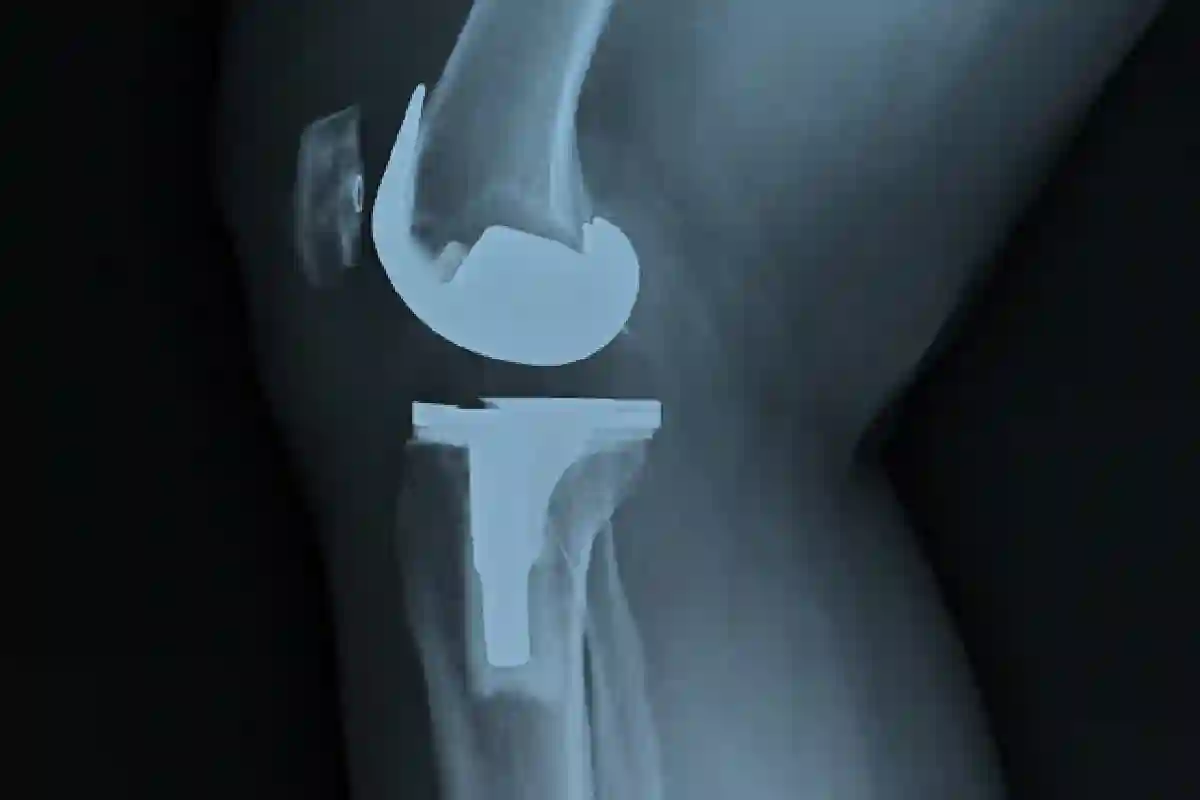
A knee can look like a single machine, but it behaves more like a neighbourhood. Different parts do different jobs, and sometimes one area starts causing trouble while the others continue to work reasonably well. That distinction matters when arthritis begins to damage the joint.
This is why choosing between different forms of knee replacement is not simply a matter of asking which operation is bigger or smaller. If you are researching knee arthroplasty in Singapore, it helps to understand the more interesting question first: how much of the knee is actually causing the problem?
Table of Contents
Look At Where Pain Begins
The knee is divided into separate compartments, and arthritis does not always affect all of them equally. Sometimes the damage is concentrated in one area while other parts of the joint remain relatively well preserved.
That creates a very different situation from arthritis affecting much of the knee. A person may have significant pain, but the location and pattern of the damage can matter just as much as the amount of pain.
Think about a kitchen with one damaged cupboard. You would not replace the entire kitchen simply because one cabinet has become unusable. The rest of the room still works. The same logic can sometimes apply to a knee, although the decision depends on the actual condition of the joint.
The Image Is Only Half
An X-ray can show where the joint has changed, but it cannot tell the entire story by itself.
Two people can have similar-looking images and very different daily lives. One might still walk comfortably and only notice stiffness after a long day. Another might struggle with stairs, standing from a chair or getting through a normal shopping trip.
This is where a common mistake happens. People see a report describing arthritis and assume the next step is obvious. A more useful question is: does the image explain the problem you are actually having?
That means symptoms, movement and examination belong in the same conversation as the scan.
Partial Means Selective
A partial knee replacement is appealing for a simple reason: it is designed to address the damaged compartment rather than replacing the entire knee.
But “partial” does not automatically mean “better” or “easier”. It means more selective. The remaining parts of the knee have to be in suitable condition, and the knee has to meet the requirements for this approach.
That creates an important trade-off. Preserving more of the natural knee can be valuable, but preserving a part that is already significantly diseased does not solve the underlying problem.
So the useful question is not, “Can I have a partial replacement?” It is, “Is the rest of my knee healthy enough for a partial replacement to make sense?”
Your Routine Reveals The Problem
There is another clue people often overlook: what you have stopped doing.
Arthritis can change your behaviour long before you decide that the pain is severe. You take the lift instead of the stairs. You avoid low chairs. You stop taking the longer route home. You begin planning your day around where you can sit.
None of these changes appears on an X-ray. Together, they tell a story about how the knee is affecting your life.
Before an appointment, write down the activities that have quietly disappeared. For example:
- Walking for 20 to 30 minutes
- Climbing several flights of stairs
- Getting up from a low chair
- Shopping without needing frequent rests
- Standing for a longer meal or event
This turns “my knee is getting worse” into something much easier to understand and measure.
Beware The Timing Trap
People often wait for a dramatic moment before taking joint symptoms seriously. But knee arthritis can be more deceptive than that.
You may have a good week followed by a bad one. Rest may reduce the pain for a while. Changing shoes, reducing activity or avoiding stairs may also help. It is easy to conclude that the underlying issue must therefore be minor.
A better decision rule is to look at the trend in function. If your world is gradually getting smaller because you are avoiding movements you used to manage, that is meaningful even when the pain comes and goes.
This also helps prevent another mistake: judging treatment only by how you feel on your best day.
Think About What You Keep
The most useful discussion about knee replacement is often not about what will be replaced. It is about what can reasonably be kept.
If damage is limited and the rest of the joint is suitable, a partial replacement may be considered because it addresses a more specific problem. If the disease is more widespread, the reasoning changes.
That is why there is no universal answer hidden inside the word “arthroplasty”. The right approach depends on the anatomy of the knee, the extent of the damage, the symptoms it produces and the activities you need to return to.
A good treatment decision begins when the knee stops being treated as one broken object. Look closely enough and you may find one compartment causing most of the trouble while another is still doing its job. The real question is not how much of the knee can be replaced, but how much actually needs to be.